field_i_picture
field_t_subtitle
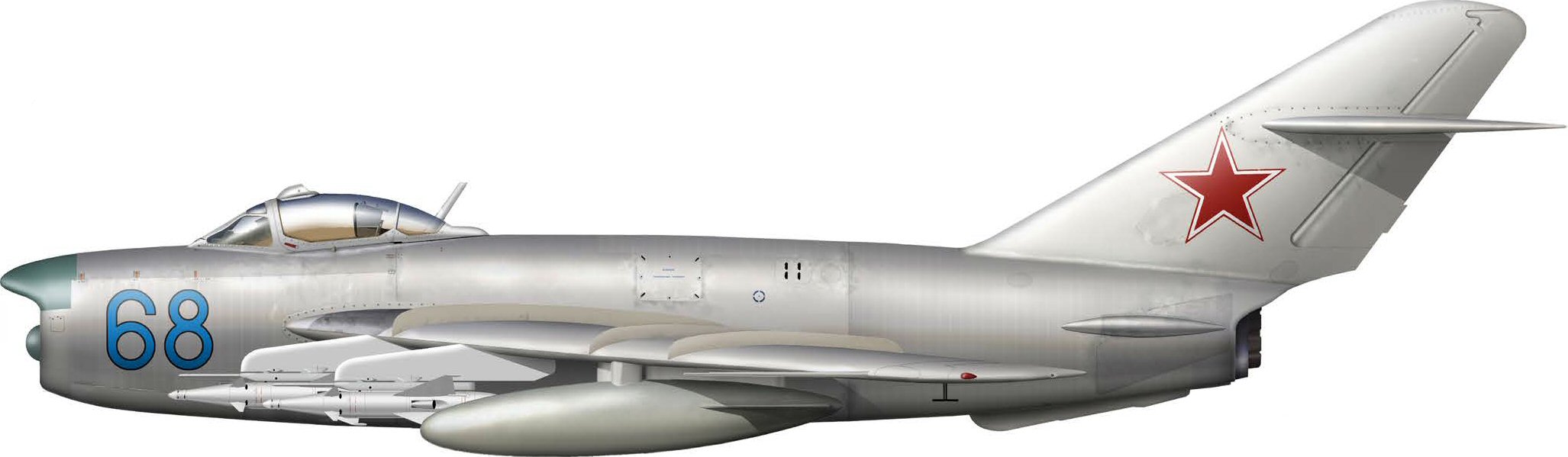
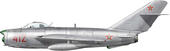
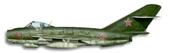
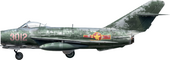
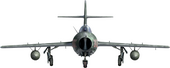
MiG-17PF
vf_node_items
| vf_node_pictures_all | title (item) | field_cer_web | field_cer_navbox | g_geofield | g_geofield | |
|---|---|---|---|---|---|---|
|
MiG-17PF (NATO: Fresco C) | |||||
|
Mikojan-Gurevics MiG-17 |
field_in_sequence
3
field_in_sequence2
2
field_t_remark
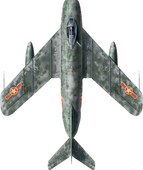
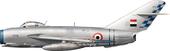
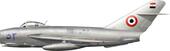
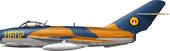
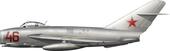
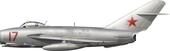
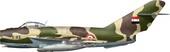
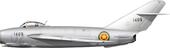
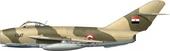
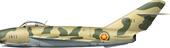
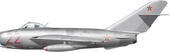
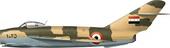
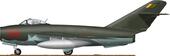
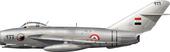
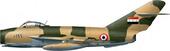
By the mid-1950s, the Soviets rushed their first air-to-air missiles into mass production: the RS-1U (ASCC/NATO-codename ‘AA-1 Alkali’), itself a part of the Kaliningrad K-5 weapons system (still centred on the Izumrud RP-2 radar). Correspondingly, a total of 47 MiG-17PFs were re-equipped with the K-5 weapons system, including four underwing hardpoints for K-5s. (Artwork by Tom Cooper)
field_t_subtype
profile left
fr_quality