| vf_node_pictures_all | title (item) | field_cer_web | field_cer_navbox | g_geofield | g_geofield | |
|---|---|---|---|---|---|---|
|
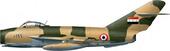
Mikojan-Gurevics MiG-17 |
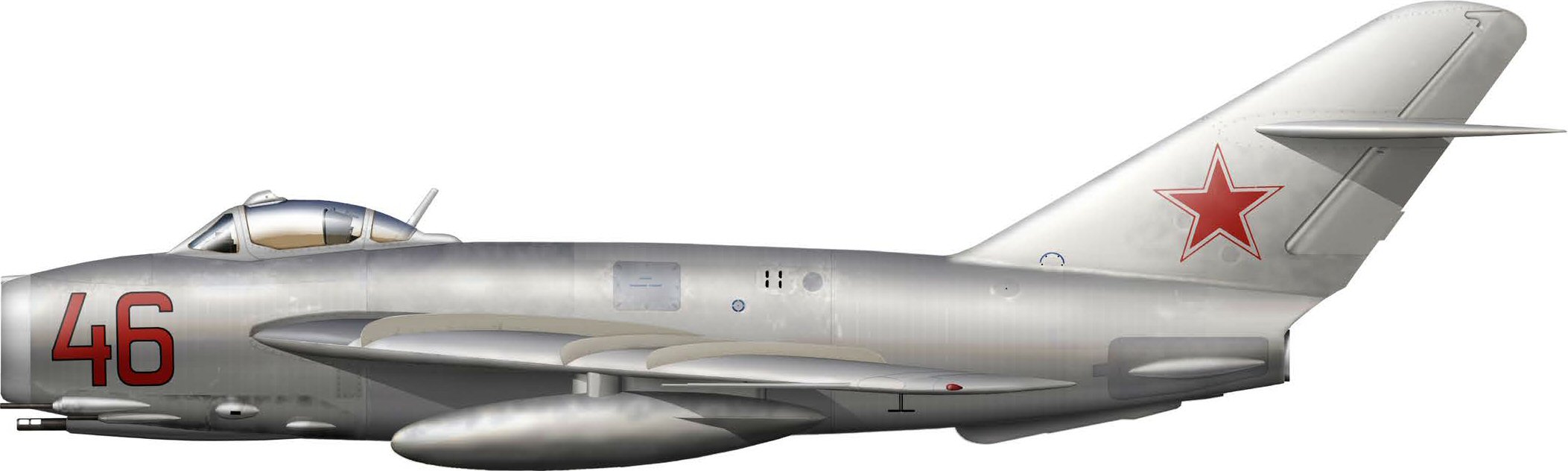
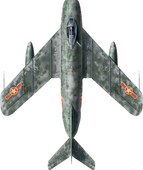
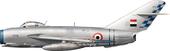
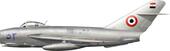
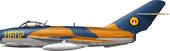
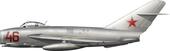
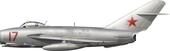
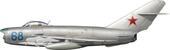
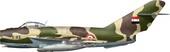
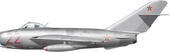
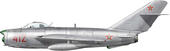
Striving to further improve the MiG-15bis, the MiG OKB eventually designed an entirely new type, with stretched fuselage, bigger fin and thinner wing of larger surface, a rear-view mirror atop the cockpit transparency (based on experience from the Korean War), and the more powerful Klimov VK-1F engine. Designated the MiG-17 (ASCC/NATO-codename ‘Fresco’), this entered production in 1952, and 5,467 were manufactured over the following years. Like the MiG-15 before, the MiG-17 was always painted in two layers of clear lacquer, mixed with 10 percent and 5 percent aluminium powder, respectively, resulting in the ‘silver grey’ overall appearance. By the time it entered service, the V-VS and the PVO introduced the practice of using two-digit ‘Bort’ numbers on their aircraft (instead of up to three at earlier times). These were usually applied in the factory, nearly always in red and outlined in black or dark blue. This example served with the 136th Interceptor Aviation Regiment as of 1955-1956. (Artwork by Tom Cooper)