| vf_node_pictures_all | title (item) | field_cer_web | field_cer_navbox | g_geofield | g_geofield | |
|---|---|---|---|---|---|---|
|
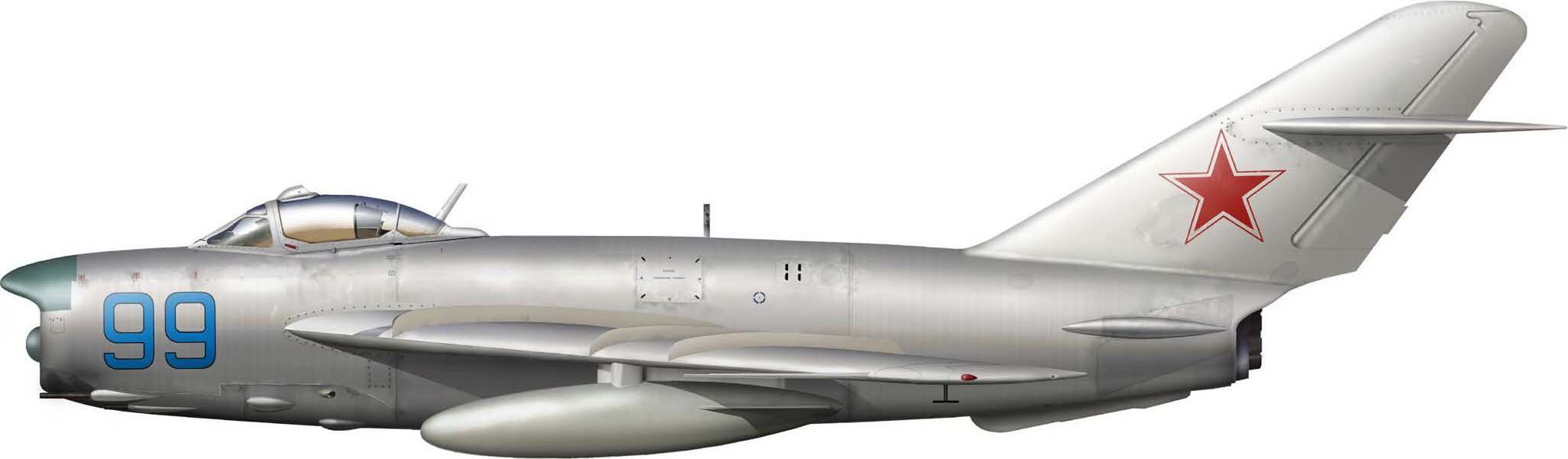
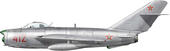
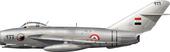
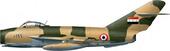
MiG-17PF (NATO: Fresco C) | |||||
|
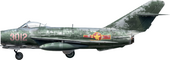
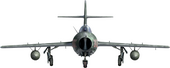
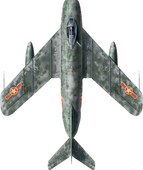
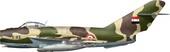
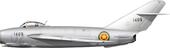
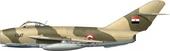
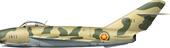
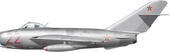
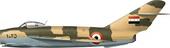
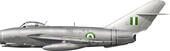
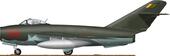
MiG-17F (NATO: Fresco C) - MiG-17F (Samolet SF, "Fresco C") |
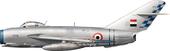
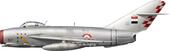
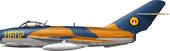
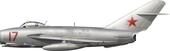
Throughout their service, the mass of MiG-15s and MiG-17s served as day and fair-weather interceptors only. MiG-17F was no exception to this, but the next mass-produced variant, the MiG-17PF (ASCC/NATO-codename ‘Fresco C’) was equipped with the Izumrud RP-2 radar. Although still dependent on guidance from the ground, the MiG-17PF thus became capable of finalising interception by night and in poor weather – a capability that became ever more important because of the nocturnal activity of Western intelligence-gathering aircraft within Soviet airspace. By the time the MiG-17PF entered service (668 were built in total), the PVO introduced the practice of applying Borts to its aircraft in light blue, outlined in black. This example served with the 166th Guards Interceptor Aviation Regiment. (Artwork by Tom Cooper)