picture 181966

Submitted by aua on
field_i_picture
field_t_subtitle
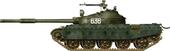
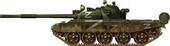
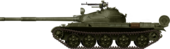
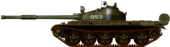
T-62M
vf_node_items
field_i_picture title (item) field_cer_web field_cer_navbox g_geofield
T-62M (Ob'yekt 166M)
T-62 (Objekt 166) A második világháború utáni szovjet, orosz és ukrán harcjárművek - Soviet and Russian armoured fighting vehicles after World War II
field_in_sequence
3
field_in_sequence2
1
field_t_remark

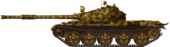
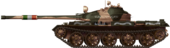
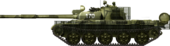
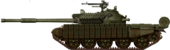
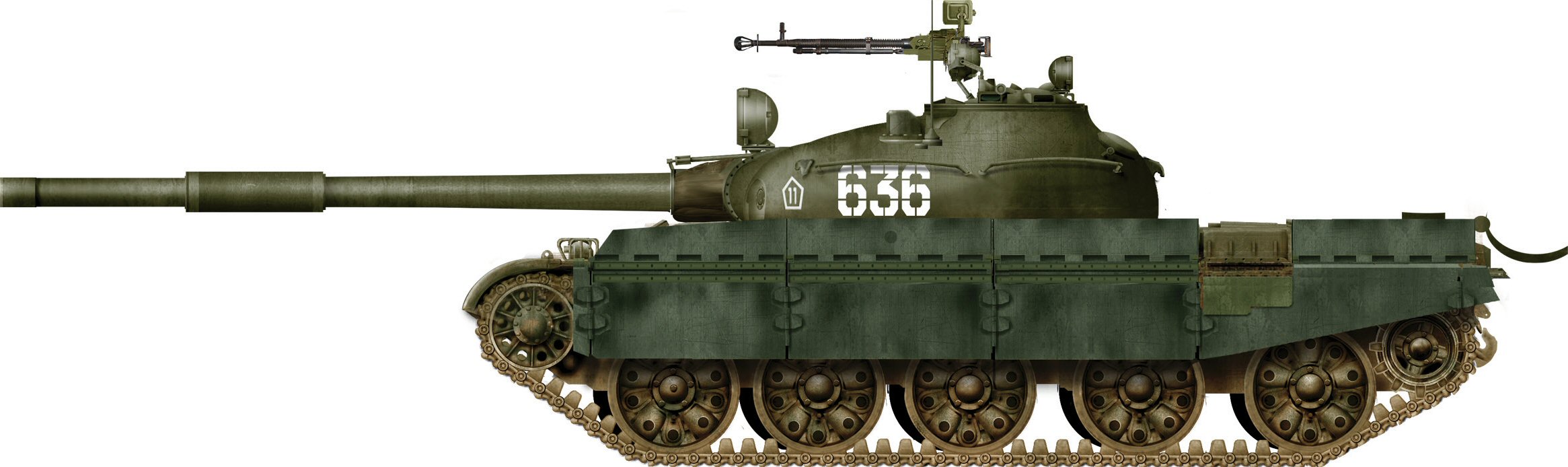
While keeping more advanced T-64s, T-72s, and T-80s based in Eastern Europe and the Ukraine, for deployment in Afghanistan the Soviet Army called upon older T-62s. Developed in the late 1950s as a successor to the highly-successful T-54/55 series, these mounted a 115mm calibre high-velocity smoothbore gun, for which the vehicle carried 40 rounds. A PKT 7.62mm calibre machine gun was installed coaxially, while a much heavier DShK 12.7mm calibre machine gun was usually positioned atop the commander’s hatch. The mass of T-62s deployed by the Soviets in Afghanistan were of the M version with additional turret armour (variously referred to in the West as ‘brow’ or ‘horseshoe’ armour) and a reinforced glacis (upper hull front), but initially were fielded in their original form as shown in these two artworks. In the light of constantly growing losses, crews used spare track sections and other means of improving their protection. As far as is known, they never wore any livery other than overall dark green. (Artwork by David Bocquelet)

field_t_subtype
profile left
fr_quality
No votes yet