picture 171506

Submitted by aua on
field_i_picture
vf_node_items
field_i_picture title (item) field_cer_web field_cer_navbox g_geofield
Type 89 Csi-Ro (Type 89 Chi-Ro) - Type 89 I-Go (八九式中戦車 イ号, Hachikyū-shiki chū-sensha I-gō, Chi-Ro, Yi-Go) - 89-тип средний танк (яп. 八九 式 中 戦車 - хачикю: сики чу: сэнся, Тип 89) Az első és a második világháború közötti harckocsik és páncélozott gépjárművek - Tanks of the interwar period - Танкетки и малые танки, Japán páncélos harcjárművek a második világháborúban - Japanese armored fighting vehicles of World War II - Panzer der Streitkräfte des Japanischen Kaiserreiches im Zweiten Weltkrieg - Бронетехника Японской империи
field_in_sequence
1
field_in_sequence2
3
field_t_remark

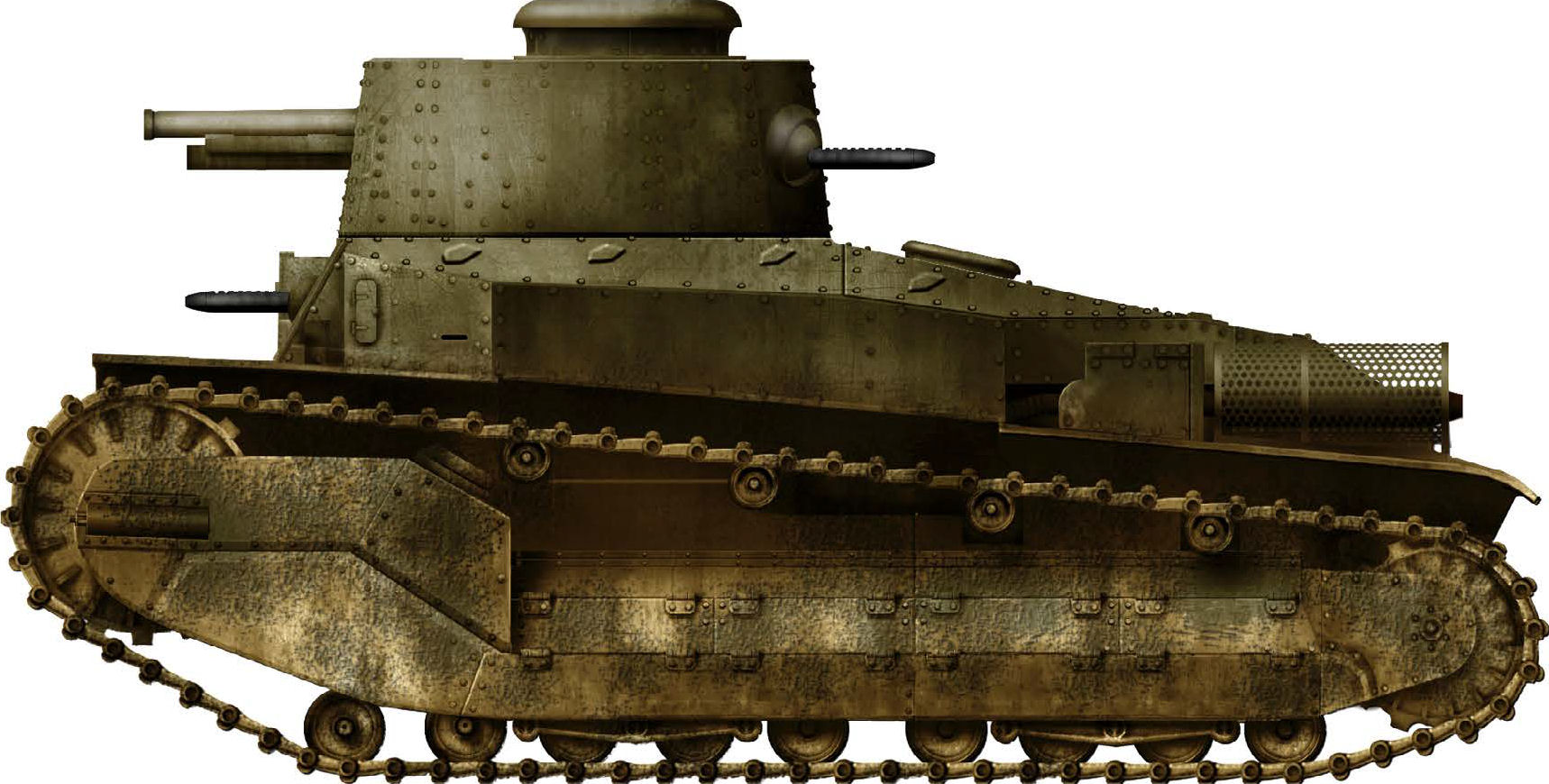
The Type 89 I-Go medium tank was a curious mix of old and new concepts. It had the archaic lines of a first-generation tank, but a relatively advanced diesel engine. The low-velocity 57mm gun had a high-explosive load which could not penetrate modern armour but would pop the rivets on enemy tanks, wounding the crew members inside. Their worst default, however, was – like all the other types of Japanese tanks deployed during the Nomonhan Incident – their single-man turret. The tank commander was supposed to lead his vehicle while loading and firing the main gun or the turret machine gun. Like their Soviet-operated opponents, Japanese tanks in the Nomonhan conflict were usually painted in dark green, and wore either no, or only a minimum of insignia. (Artwork by David Bocquelet)

field_t_subtype
profile left
fr_quality
No votes yet