picture 170193

Submitted by aua on
field_i_picture
vf_node_items
field_i_picture title (item) field_cer_web field_cer_navbox g_geofield
D-442 FÚG (Felderítő Úszó Gépkocsi) modern gumikerekes lövészpáncélosok és páncélozott szállító harcjárművek - Modern wheeled infantry fighting vehicles and armoured personnel carriers - Moderne Radpanzer und geschützte Fahrzeu
field_in_sequence
4
field_in_sequence2
2
field_t_remark

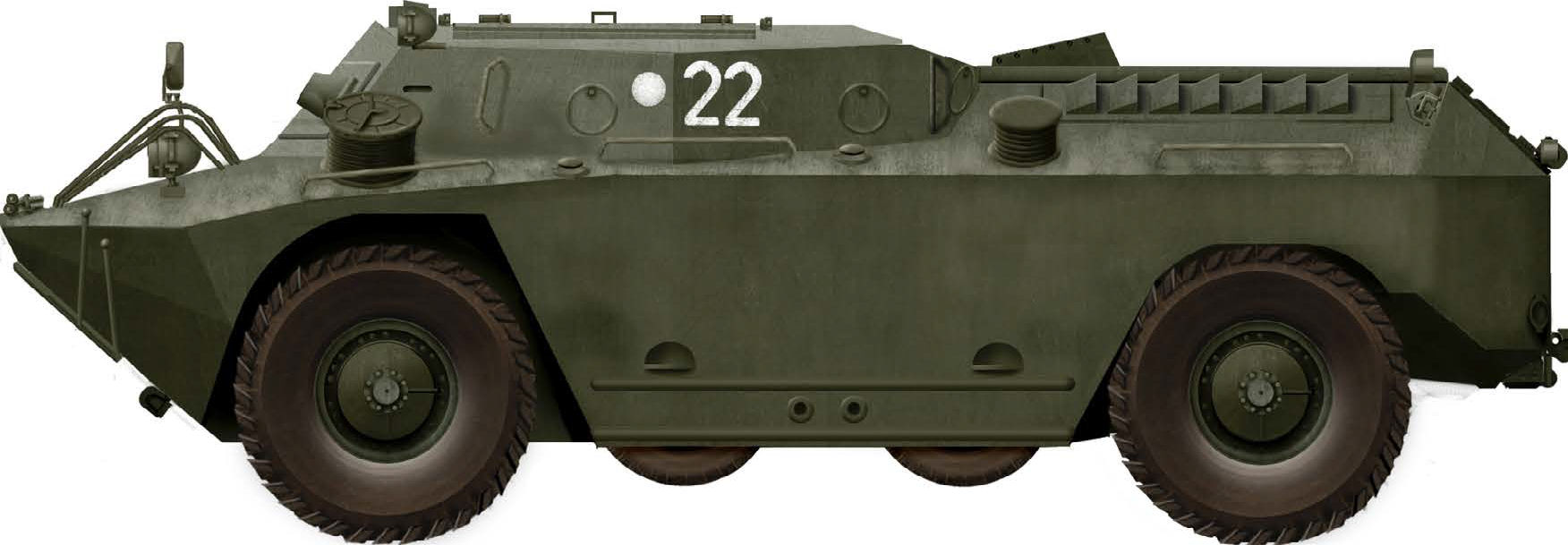
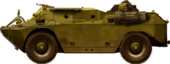
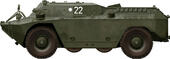
The D-442 FUG amphibious reconnaissance vehicle was the Hungarian-designed and manufactured equivalent to the Soviet BRDM-1 armoured scout car, development of which was prompted by the Soviet failure to fulfil the promise of supplying large numbers of old BA-65s at low price. Lightly armoured (13mm at the front and 7mm at sides and rear), it was mainly intended for reconnaissance duties. If installed, armament consisted of either 7.62mm UK light machine gun or 14.5mm KPVT heavy machine guns. In addition to the Hungarian Army, small numbers were exported to Bulgaria, Czechoslovakia, East Germany and Poland, which also used them for forward artillery observation tasks. Hungarian D-442s deployed during Operation Danube were painted in dark olive green overall, and wore white dots as means of identification, in addition to their white turret numbers. (Artwork by David Bocquelet)

field_t_subtype
profile left
fr_quality
No votes yet