picture 182377

Submitted by aua on
field_i_picture
field_t_subtitle
Tu-22M-3
vf_node_items
field_i_picture title (item) field_cer_web field_cer_navbox g_geofield
Tu-22M3
Tu-22M3
Tupoljev Tu-22M Tupoljev-repülőgépek - Tupolev aircraft - Liste der Flugzeugtypen des Herstellers Tupolew - Самолёты Конструкторского бюро «Туполев», Bombázó repülőgépek a második világháború után
field_in_sequence
8
field_in_sequence2
3
field_t_remark

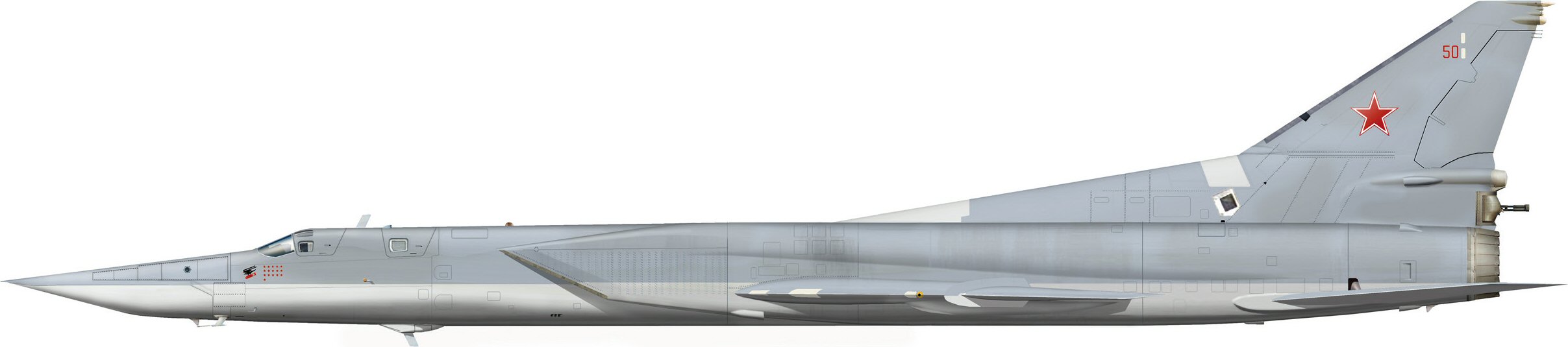
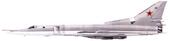
Based at Tartu, in the Estonian SSR, the 326th Heavy Bomber Aviation Division of the 46th Air Army of the High Supreme Command was one of the units operating Tu-22M-3 bombers during the 1980s, and tasked with flying air strikes on Mujahideen positions in Afghanistan, in 1986–1988. One of its senior officers, and the commander of the 326th in 1987–1991, was Colonel Dzhokhar Dudayev, a future major general. He was later the President of the ill-fated Republic of Ichkeria (colloquially Chechnya) and resistance leader in the First Chechen War. In the Aviation Regiment it is known that Dudayev’s ‘personal’ jet bore the number 50, was decorated with a black bird carrying a red bomb, and a total of 16 red stars – as illustrated here. The latter represented 160 combat sorties, in turn illustrating the intensity of Tu-22M-3s involvement in the Afghan War. (Artwork by Tom Cooper)

field_t_subtype
profile left
fr_quality
No votes yet